13.01.26
|Reading time:
5 min
Which functions should a modern POS system offer?
In short: A modern POS system for the gastronomy industry supports service operations, payment processing, availability management, table organisation, and reporting in one central solution. It helps restaurateurs simplify workflows, maintain oversight, and make decisions based on reliable data.
What is meant by a modern POS system?
A POS system, short for point of sale system, is far more than a digital cash register. It combines sales, order management, and reporting in a single solution designed to support everyday operations in the gastronomy industry.
Compared to traditional cash register systems, modern POS systems are usually cloud-based, flexibly scalable, and closely aligned with the real demands of daily service.
Intuitive operation in daily service
During service, a POS system must function smoothly and without unnecessary steps. A clear and intuitive user experience is therefore essential.
Key features include:
- clean, intuitive user interface
- logical menu navigation
- fast product selection
- short onboarding time for staff
An intuitive system reduces errors, saves time, and relieves the team, especially during peak hours.
Cloud-based POS system with offline functionality
Modern POS systems operate in the cloud. This enables:
- access to sales data from multiple devices
- fast and simple updates
- centralised management, even across multiple locations
At the same time, a reliable offline mode is essential. Even without an internet connection, the system must continue processing transactions and taking orders. This ensures uninterrupted operations throughout the day.
Flexible payment options at the POS
Payment is the final point of contact with the guest and should be seamless.
A modern POS system supports:
- card payments
- mobile payments such as TWINT
- contactless payments
- convenient bill splitting, for example automatically dividing the cost of a bottle of wine among multiple guests
A fast and smooth payment process reduces the workload for service staff and leaves a positive impression on guests.
Real-time orders and availability management
In daily restaurant operations, it is crucial that all team members know what is available at any given time. A modern POS system provides this clarity and eliminates unnecessary back-and-forth during service.
At the start of the day, staff can define directly at the POS how many menus, daily specials, or special offers are available. With each order, this number is automatically reduced.
The advantages are clear:
- Everyone on the team can see at a glance how many menus are still available
- No service interruptions caused by checking back with the kitchen
- Better alignment between service and kitchen
- Less stress during peak times
The same principle applies to special wines or limited products. Quantities are stored once and adjusted automatically with every order. This ensures that service staff always have up-to-date information.
This level of transparency prevents incorrect orders and builds confidence in guest interactions.
Table management and service support
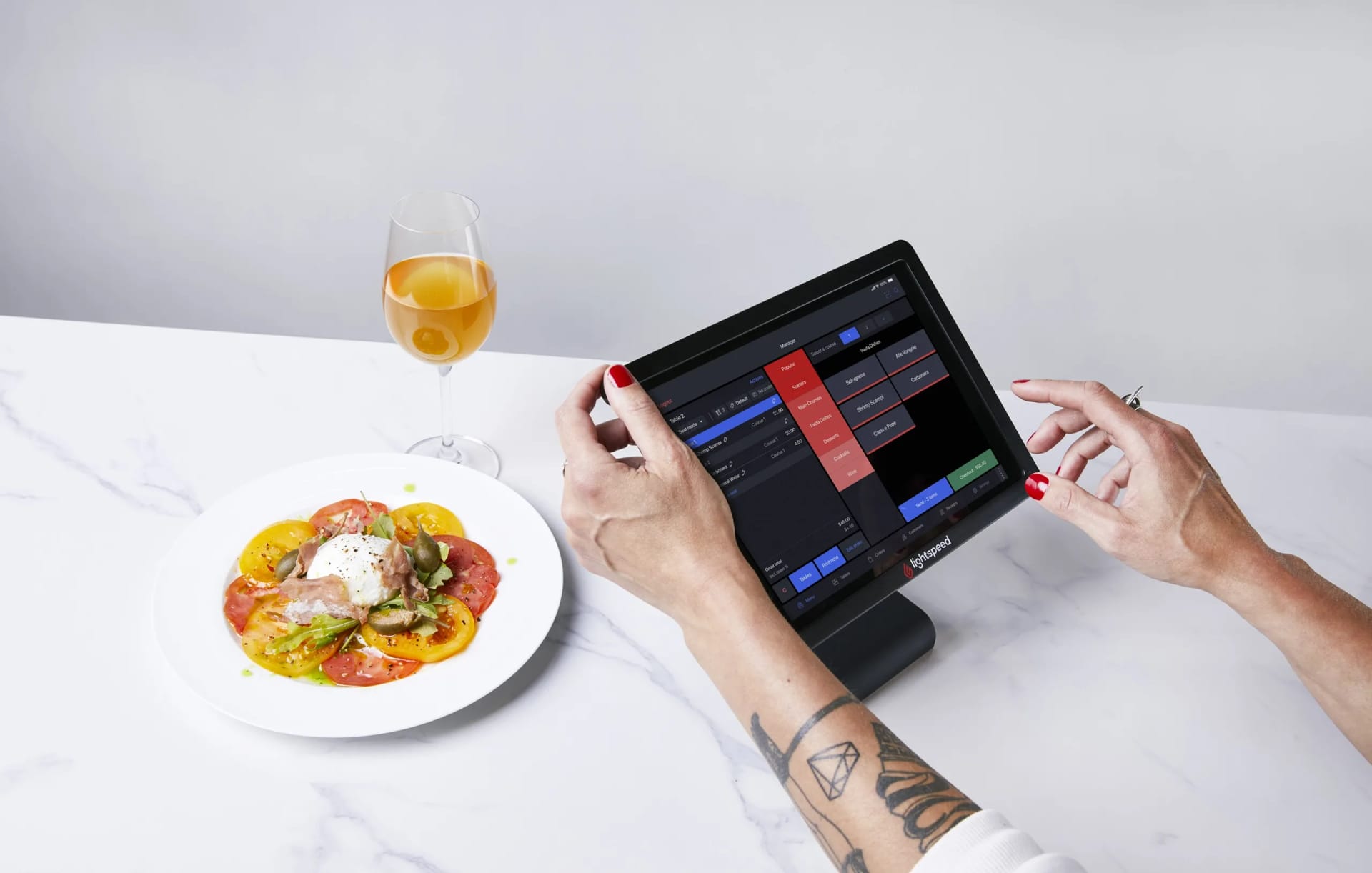
Efficient table organisation is essential for restaurants. A modern POS system actively supports service staff.
Typical functions include:
- digital table layouts
- order taking directly at the table
- seating and course assignment
- direct transmission of orders to the kitchen or bar
This keeps processes structured and transparent, even during high occupancy.
Reporting for operational insight
A POS system should not only record transactions but also provide clear, easy-to-understand reports. These insights help restaurateurs manage their business more effectively.
Typical reports include:
- revenue by day, week, or month
- sales figures for individual products, including top performers and underperformers
- demand by time of day
- revenue trends over time
Well-prepared reports support informed decisions around menus, purchasing, and staffing.
Integration and additional flexibility
A modern POS system integrates seamlessly into existing workflows, such as accounting, reservation tools, or other digital solutions. This reduces manual work and increases transparency.
In addition, revenue data can support financing solutions or investment decisions. These options are aligned with actual business performance and offer restaurateurs greater flexibility.
Does this fit your business?
Review the switch to a modern POS system.
Conclusion
A modern POS system is a central tool for successful restaurant operations. It supports service teams, creates transparency around availability and key figures, and ensures smooth, well-organised workflows.
A POS system that meets these requirements and is specifically tailored to the needs of the gastronomy industry is offered by Vendomat.